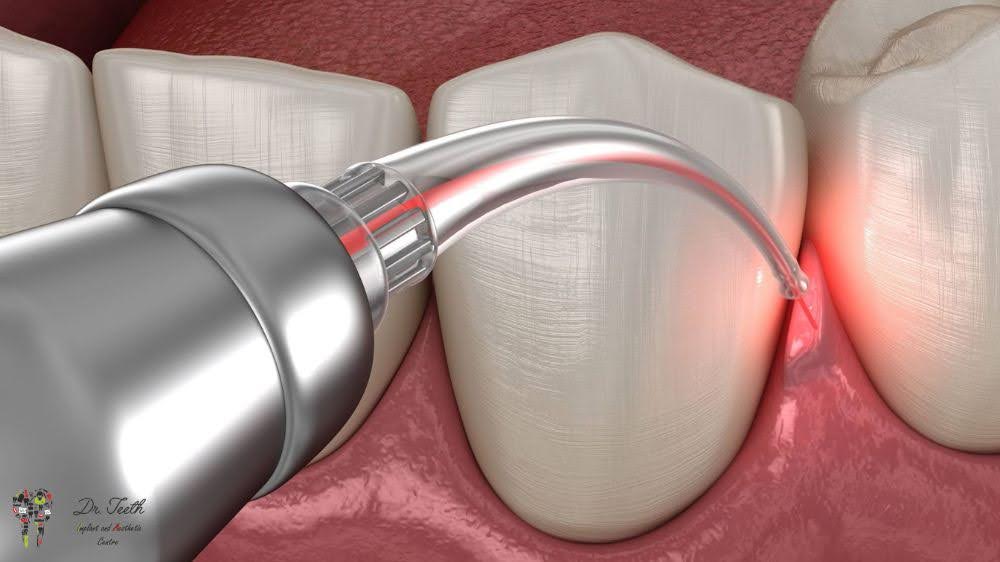
Laser dentistry has revolutionized modern dental treatments by offering a minimally invasive and efficient approach to various procedures. With the advancement of dental laser technology, patients can now experience reduced pain, faster healing, and improved precision in dental care. However, like any medical procedure, laser dentistry has its advantages and drawbacks. In this blog, we will explore how lasers work in dentistry, their pros and cons, specific applications, and frequently asked questions to help you decide if laser dentistry is worth it.
How Lasers Work in Dentistry
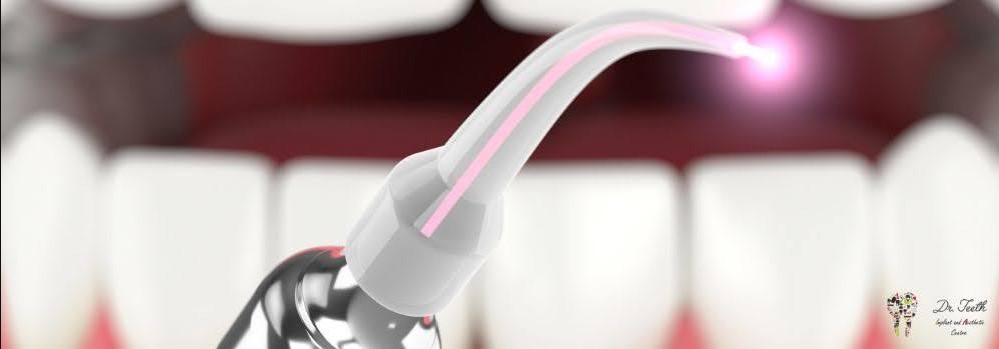
Laser dentistry involves using concentrated light energy to perform dental procedures with high precision. A dental laser emits a focused beam of light that interacts with hard or soft tissues, allowing dentists to cut, remove, or reshape tissues with minimal damage to surrounding areas. Depending on the type of laser used, these procedures can be performed on gums, enamel, or dentin. There are two main types of dental lasers:
- Hard Tissue Lasers: Primarily used for cutting into teeth and removing tooth decay.
- Soft Tissue Lasers: Used for procedures involving the gums and soft tissues, such as treating gum disease or reshaping gums for aesthetic purposes.
Pros of Laser Dentistry
The growing popularity of laser dentistry is due to its numerous benefits:
- Minimally Invasive: Unlike traditional drills, dental lasers cause less discomfort, reducing the need for anesthesia.
- Reduced Pain and Sensitivity: Since lasers do not generate heat or vibration, patients experience minimal pain and sensitivity.
- Faster Healing Time: Laser procedures result in less bleeding and inflammation, leading to quicker recovery.
- Precision and Accuracy: Dental lasers allow for targeted treatment, preserving healthy tissue.
- Lower Risk of Infection: The high-energy laser sterilizes the treated area, reducing the risk of bacterial infections.
- Less Anxiety for Patients: Many people fear the dental drill; laser treatments provide a quieter, more comfortable alternative.
Cons of Laser Dentistry
Despite its benefits, laser dentistry also has some limitations:
- Not Suitable for All Procedures: Traditional tools are still necessary for certain treatments, such as filling cavities between teeth or removing large amounts of decay.
- Higher Cost: Laser treatments can be more expensive than conventional methods due to the cost of laser equipment.
- Skill-Dependent: The success of a dental laser procedure depends on the expertise of the dentist.
- Potential Tissue Damage: If not used properly, lasers can damage surrounding tissues.
- Limited Insurance Coverage: Some insurance plans may not cover laser dental treatments, making them a costly option for some patients.
Specific Procedures & Applications
Laser dentistry is used in various dental treatments, including:
- Gum Disease Treatment: Lasers help remove infected tissue, reduce gum inflammation, and promote faster healing. They are effective in treating periodontal disease with minimal discomfort.
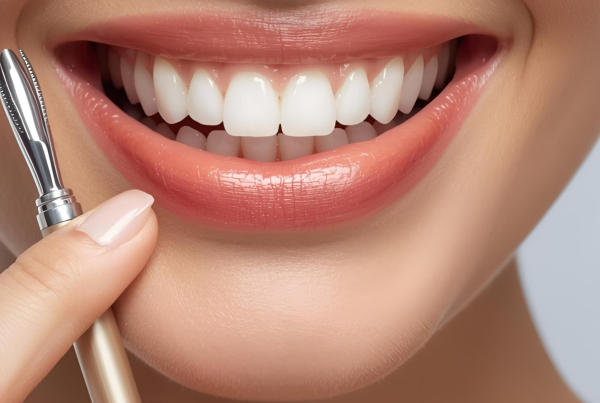
- Teeth Whitening: Laser-assisted whitening enhances the effects of bleaching agents, accelerating the process and providing immediate results.
- Cavity Treatment: Dental lasers can remove decay and prepare the tooth for fillings without the need for drills, reducing pain and discomfort.
- Biopsies & Lesion Removal: Lasers can remove tissue samples for biopsies and effectively treat oral lesions and ulcers.
- Root Canal Disinfection: Lasers effectively sterilize root canals, eliminating bacteria and increasing the success rate of the procedure.
- Frenectomy & Tongue-Tie Release: Laser procedures can quickly and painlessly correct tongue-tie issues in infants and adults, improving speech and feeding.
- Gum Reshaping & Crown Lengthening: Lasers can reshape gum lines to enhance the appearance of the smile or expose more of a tooth’s structure for restorations.
Is Laser Dentistry Worth It?
For many patients, laser dentistry is a worthwhile investment due to its precision, comfort, and faster recovery times. If you have dental anxiety or prefer a minimally invasive approach, laser dentistry may be an excellent option. However, the cost and suitability of the procedure should be discussed with your dentist before making a decision.
How Long Does Laser Teeth Whitening Last?
Laser teeth whitening results typically last between six months to three years, depending on lifestyle factors such as diet, smoking, and oral hygiene. Maintaining good dental care and avoiding stain-causing foods can extend the longevity of your whitening results.
What is Better: Teeth Bleaching or Laser?
Both methods have their advantages. Traditional teeth bleaching involves applying whitening gel over time, while laser teeth whitening uses light energy to accelerate the process for immediate results. Laser whitening is ideal for those seeking quick, dramatic improvements, whereas bleaching is a more gradual and cost-effective solution.
How Long Does Laser Teeth Last?
The effects of laser dental treatments vary depending on the procedure. For example:
- Laser gum treatments can last several years with proper care.
- Laser cavity treatments last as long as traditional fillings.
- Laser teeth whitening lasts from six months to a few years, depending on aftercare.
Conclusion
Laser dentistry is a game-changer in the dental industry, offering a less invasive and more comfortable alternative to traditional procedures. While it has numerous advantages, including reduced pain, faster healing, and enhanced precision, it may not be suitable for every dental issue. Consulting with a qualified dentist will help determine if laser dentistry is the right choice for your dental needs.