Dental implants have revolutionized tooth replacement, offering a long-lasting and natural-looking solution for missing teeth. When considering implants, one of the most important choices is the material: titanium vs Ziroconia implants. Both have unique benefits and potential drawbacks, making it essential to understand their differences before making a decision. In this blog, we will compare titanium vs Zirconia dental implants, examining their material properties, biocompatibility, durability, cost, and more.
Understanding Titanium and Zirconia Dental Implants
Titanium has been the gold standard for dental implants since the 1960s due to its strength, durability, and excellent biocompatibility. More recently, Ziroconia implants have gained popularity as a metal-free alternative, offering aesthetic and hypoallergenic benefits. Let’s dive deeper into their characteristics.
Titanium Dental Implants
Titanium implants are typically made from a titanium alloy, which combines strength with corrosion resistance. The two main types of titanium used in implants are pure titanium and titanium alloys, which include small amounts of other metals such as aluminum and vanadium.
Advantages of Titanium Implants:
- Proven Long-Term Success: Titanium implants have been used for decades with high success rates, often exceeding 95% over ten years. This longevity makes them a trusted choice among dental professionals.
- Osseointegration (Bone Fusion): Titanium integrates well with the jawbone, providing a stable and secure foundation for dental prosthetics. This fusion helps maintain bone density and prevents jawbone deterioration over time.
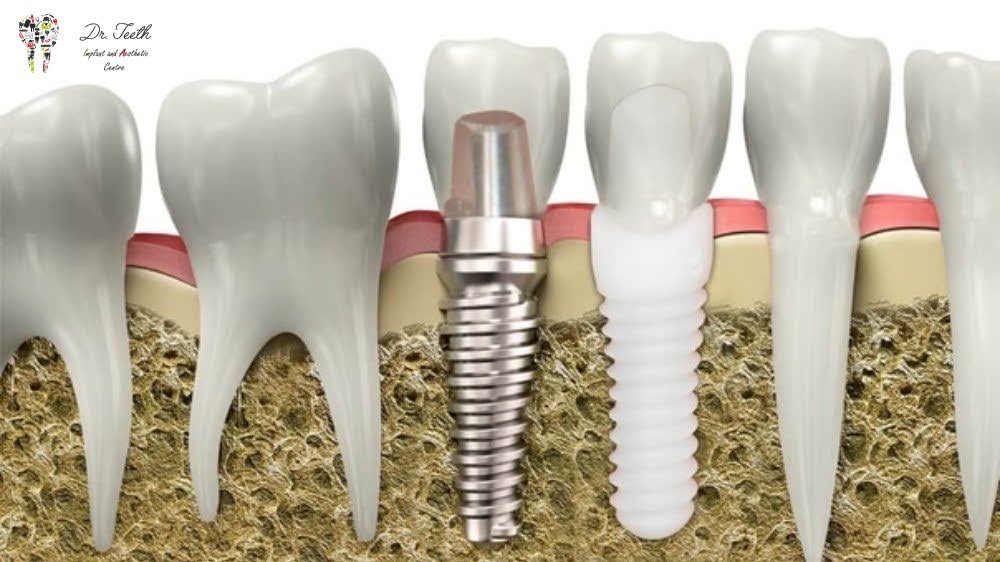
- Two-Piece Design: Most Dental implants have a two-piece structure, allowing flexibility in placement and restoration. This design enables dentists to make precise adjustments based on the patient’s unique dental structure.
- Strength and Durability: Titanium is highly resistant to fracture and can withstand significant bite forces, making it ideal for molars and full-mouth restorations. This makes titanium implants particularly beneficial for patients who grind their teeth or require multiple implants.
Potential Drawbacks of Titanium Implants:
- Metal Sensitivity: Some individuals may have allergies or sensitivities to metal, which can cause discomfort or adverse reactions. While rare, these reactions can lead to complications such as inflammation or implant failure.
- Aesthetic Concerns: In rare cases, titanium implants may cause a grayish tint to the gum tissue, which can be an issue in the front teeth area. This can be a concern for patients with thin gum tissue, where the metal might be slightly visible.
- Corrosion Risk: Although highly resistant, titanium implants can corrode over time, especially in acidic environments. Saliva with a high acidic content or exposure to certain fluoride-based dental products can accelerate this process.
Zirconia Dental Implants
Zirconia implants are made from Ziroconia dioxide, a strong ceramic material known for its excellent biocompatibility and natural tooth-like color. Unlike titanium implants, zirconia implants are typically a one-piece design, meaning the implant and abutment are fused together.
Advantages of Zirconia Implants:
- Aesthetic Appeal: Ziroconia implants are tooth-colored, making them an excellent choice for front teeth restorations. They blend seamlessly with natural teeth, reducing concerns about visible metal components.
- Metal-Free and Hypoallergenic: Ideal for patients with metal allergies or sensitivities. Since zirconia does not contain metal, it eliminates the risk of allergic reactions or galvanic corrosion, which can occur when different metals interact in the mouth.
- Minimal Plaque Accumulation: Zirconia has a smooth surface that resists plaque and bacteria buildup, potentially reducing the risk of gum inflammation and peri-implantitis. This makes zirconia implants a great option for patients prone to gum disease.
- Corrosion Resistance: Unlike titanium, zirconia does not corrode, making it a long-term stable option. This means that zirconia implants can maintain their integrity and strength without degradation over time.
Potential Drawbacks of Zirconia Implants:
- Limited Long-Term Data: While zirconia implants have shown promising results, they lack the extensive long-term clinical data of titanium implants. Research is ongoing to determine their durability over decades.
- Brittleness: Zirconia is strong but more prone to fractures under excessive pressure compared to titanium. This makes it less ideal for high-bite-force areas such as molars unless additional reinforcements are used.
- One-Piece Design: Most Ziroconia implants are a single unit, which can limit flexibility in implant placement and restoration. The lack of a separate abutment means that adjustments after placement can be more challenging.
Titanium vs Zirconia Dental Implants: A Detailed Comparison

1. Strength and Durability
Titanium implants are incredibly strong and can handle heavy bite forces, making them suitable for all teeth, including molars. Zirconia implants are also strong but may be more brittle, increasing the risk of fractures, especially in high-pressure areas. While technological advancements are improving zirconia’s durability, titanium remains the stronger option for patients needing high bite-force resistance.
2. Osseointegration and Biocompatibility
Both titanium and zirconia integrate well with the bone, promoting strong anchorage. However, titanium has a longer track record of successful osseointegration. Zirconia is fully biocompatible and free of metal, making it an excellent choice for individuals with sensitivities. Additionally, zirconia has been shown to promote healthy gum tissue response, potentially reducing the risk of inflammation.
3. Aesthetic Considerations
For patients concerned about aesthetics, zirconia implants offer a more natural appearance as they blend seamlessly with the surrounding teeth. Titanium implants, while generally hidden, may sometimes cause a dark shadow near the gums, particularly in patients with thin gum tissue or gum recession.
4. Cost Differences: Titanium vs Zirconia Implants Cost
Cost is a crucial factor for many patients. Titanium vs zirconia implants cost varies based on the material, manufacturer, and location of the treatment. Generally:
- Titanium implants: $500 – $1,500 per implant
- Zirconia implants: $4,000 – $6,500 per implant
Zirconia implants tend to be more expensive due to their manufacturing process and the fact that they are a newer technology. Additional customization and laboratory work for zirconia implants can further increase costs.
5. Longevity and Success Rate
Titanium implants have an established history of lasting 20+ years with proper care. Zirconia implants, while promising, lack extensive long-term studies but have been shown to last over a decade in clinical settings. As newer versions of zirconia implants continue to improve, their longevity is expected to increase.
6. Risk of Allergies and Sensitivities
Titanium implants are safe for most patients, but in rare cases, individuals may experience metal allergies. Zirconia is completely metal-free, making it the better choice for those with allergies or sensitivities. Patients with autoimmune conditions or inflammatory disorders may also benefit from zirconia’s hypoallergenic properties.
Conclusion
Both titanium vs Zirconia dental implants offer excellent solutions for tooth replacement, with unique advantages and limitations. Titanium remains the most widely used and well-researched option, offering strength, durability, and flexibility. On the other hand, zirconia implants provide a more natural appearance, are metal-free, and are ideal for patients with allergies or aesthetic concerns.
Ultimately, the best choice depends on your individual needs, health conditions, and budget. Consulting with a qualified dental implant specialist can help determine which material is best suited for your specific case.