Losing a single tooth can feel like a minor issue until you try to eat or smile. Many people deal with a gap caused by an injury or a deep cavity. You might wonder if it is worth the effort to fix just one spot. Some people look at dental bridges or partial dentures but worry about the fit or the health of nearby teeth. A single tooth implant has become the standard fix for this exact problem. This guide will walk you through how they work and what you can expect from the process.
What Is a Single Tooth Implant?
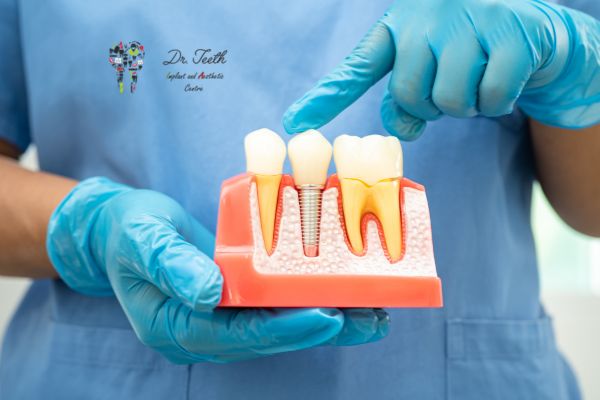
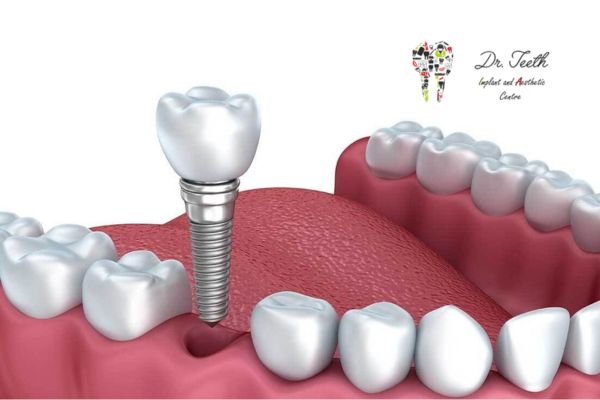
A single tooth implant is a permanent way to replace a tooth that is missing. Unlike other options, it mimics the entire structure of a natural tooth. There are three main parts: a titanium post, an abutment, and a crown that is made just for you. The post is like a new root, and the crown is the part that you can see when you chew. This setup ensures that the replacement stays fixed in your jaw. It functions as a standalone unit rather than just a cap sitting on top of the gums.
Can You Get a Single Tooth Implant?
Yes, you can definitely get an implant for just one missing tooth. As long as their mouth is healthy, most adults are good candidates for this procedure. The most important thing is that your jawbone is strong enough to hold the titanium post in place. Your dentist will also check your gums and your overall health. If you don’t have any active gum diseases an implant might be a good choice for you.
When Is a Single Tooth Implant Recommended?
There are several specific situations where an implant is the best path forward for a patient.
- Tooth Loss from Injury or Decay: If a tooth is knocked out or lost to a serious infection an implant is the perfect way to fill the hole. It makes your smile look better while keeping the rest of your mouth healthy.
- Gaps Affecting Function: Missing a tooth can make it hard to chew certain foods or speak clearly. Replacing it with an implant returns your bite to full strength and improves your speech.
- Preventing Teeth from Shifting: When a gap is left open, the surrounding teeth often start to lean or drift into the empty space. An implant acts as a placeholder to keep your dental alignment straight and stable.
- Long-Term Health Benefits: Leaving a missing tooth untreated can lead to bone loss in the jaw over time. An implant provides the stimulation your bone needs to stay thick and strong for years.
Single Tooth Implant vs Other Tooth Replacement Options
It helps to see how implants stack up against older methods of tooth replacement.
- Comparison with Dental Bridges: A bridge requires grinding down the two healthy teeth next to the gap to support the fake tooth. An implant stands on its own and does not require damaging your natural teeth.
- Comparison with Removable Dentures: Partial dentures can feel bulky and may slip or click while you are talking or eating. An implant is fixed into the bone, so it never moves and feels like a real tooth.
- Impact on Neighbouring Teeth: Bridges put extra stress on the supporting teeth, which can lead to future decay or failure. Implants protect the health of your entire mouth by leaving other teeth untouched.
- Longevity and Maintenance: Dentures and bridges usually need replacement or repair every five to ten years. A dental implant is designed to last a lifetime with basic brushing and flossing.
The Single Tooth Implant Procedure
The process is broken down into a few distinct stages to ensure the best results.
- Step-by-Step Overview: Your dentist will first conduct a full exam and digital scans to figure out where to put the post. They make a custom map of your jaw to avoid nerves and make sure it fits perfectly.
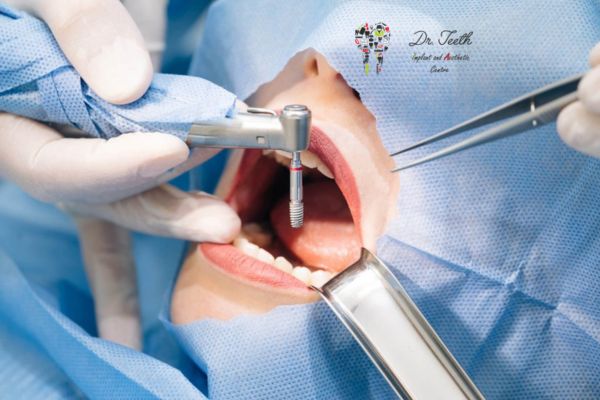
- Implant Placement: During a minor surgery, the dentist places the titanium post into the jawbone. This sounds intense, but it is a routine task that focuses on precision and patient comfort.
- Healing and Bone Integration: In a process called osseointegration your bone grows around the post over the next few months. This makes a strong bond that makes the implant as strong as a real root.
- Crown Placement Timeline: After the post is in place the dentist puts on the abutment and a crown that fits perfectly. This last step completes your smile and lets you use the tooth normally.
Is Single Tooth Implant Painful?
Most patients find that getting an implant is much easier than they expected. Dentists use local anaesthesia to numb the area completely during the surgery. You might feel some pressure, but you should not feel any sharp pain. After the numbing wears off, you may have some mild soreness or swelling for a few days. This is usually managed easily with standard over-the-counter pain relief and ice packs.
Recovery and Healing Time
The initial healing of the gum tissue usually takes about one to two weeks. However, the deep healing of the bone takes between three and six months. During this time, you can go about your daily life and eat most foods. Your dentist will tell you when it is safe to bite down on hard items with the new site. Regular check-ups during this phase ensure that the integration is moving along as it should.
Benefits of a Single Tooth Implant
Choosing an implant offers several advantages that go beyond just filling a hole in your mouth.
- Natural Look and Feel: The crown is colour-matched to your other teeth and shaped to fit your bite perfectly. Most people will never be able to tell which tooth is the implant.
- Preserves Jawbone: The titanium post keeps the jawbone active and prevents the bone thinning that often follows tooth loss. This helps maintain the natural shape of your face and jawline.
- Long-Lasting Solution: Implants have a very high success rate and are built from materials that do not decay. With good care, you will likely never need to replace the implant post itself.
- No Damage to Adjacent Teeth: You do not have to sacrifice the health of nearby teeth to fix one missing tooth. The implant is a self-supporting structure that promotes better overall oral hygiene.
- Improved Confidence and Function: You can eat, laugh, and smile without worrying about a gap or a moving prosthetic. It restores your quality of life by making you forget you ever lost a tooth.
Are There Any Risks or Limitations?
Like any surgical procedure, there are a few things to keep in mind before starting.
- Possible Complications: Infections or small nerve problems can happen, but they are very rare with modern methods. The best way to avoid these kinds of problems is to hire a professional with a lot of experience.
- Role of Oral Hygiene: The implant cannot get a cavity, but the gums around it can still get diseased. You must maintain a strict routine of brushing and flossing to keep the site healthy.
- Smoking and Implant Success: Smoking slows down the healing process and can prevent the bone from bonding to the implant. It is highly recommended to quit or pause smoking before and after the surgery.
- Importance of Expert Placement: The procedure’s success depends a lot on the skill of the person performing it. Planning ahead ensures that the implant is at the right angle and depth for long-term stability.
Why Choose Dr Teeth for Single Tooth Implants
We at Dr. Teeth want to make sure that every patient has a smooth and successful experience. Our team consists of highly trained professionals who have spent years perfecting the technique of implants. We use the newest diagnostic tools to find out exactly what is going on below the gum line. Every treatment plan is made just for you and your needs. We put your comfort and safety first by keeping a friendly environment and following strict hygiene rules. Our high success rates show how committed we are to helping you get your smile back on track.
Conclusion
A single tooth implant is a reliable and life-changing way to fix a gap in your smile. It keeps your jaw safe, saves your other teeth, and looks completely natural. Taking care of a missing tooth right away can stop bigger problems from happening later, like losing bone or shifting teeth. We can help if you’re tired of hiding your smile or having trouble chewing. Get in touch with Dr. Teeth today to set up a consultation and find out if an implant is right for you.