
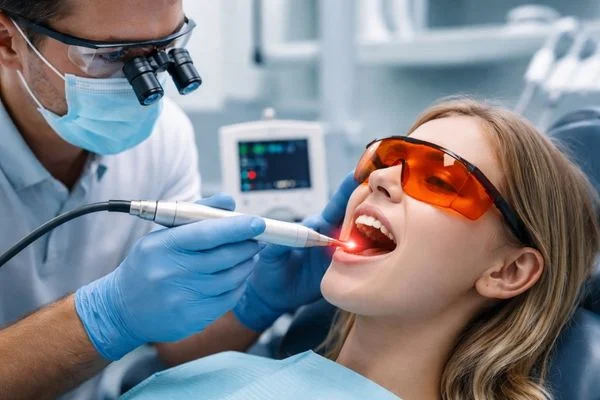
Introduction to Laser Dentistry
Dental treatments have evolved significantly over the years, and one of the most advanced innovations is laser dentistry. Designed to make dental procedures more comfortable, precise, and less invasive, laser technology is now widely used in modern dental clinics. For patients who fear drills, injections, or lengthy recovery times, laser dentistry offers a gentler alternative. This guide explains everything you need to know—from how it works to the types of lasers used and the treatments they support.
What Is Laser Dentistry?
Laser dentistry refers to the use of focused light energy (lasers) to treat various dental conditions involving teeth, gums, and other oral tissues. The word LASER stands for Light Amplification by Stimulated Emission of Radiation. In dentistry, lasers are used to remove tissue, reshape gums, eliminate bacteria, or prepare teeth with exceptional accuracy.
Unlike traditional dental tools such as drills or scalpels, lasers work without physical contact in many procedures, which helps reduce pain, bleeding, and healing time.
How Does Laser Dentistry Work?
Dental lasers emit a narrow beam of light at a specific wavelength. When this light interacts with oral tissues, it can:
-
Cut or vaporize tissue
-
Remove decay from teeth
-
Disinfect infected areas
-
Stimulate faster healing
The dentist adjusts the laser’s intensity and wavelength depending on the procedure, ensuring precise treatment while preserving healthy surrounding tissue.
History and Evolution of Laser Dentistry
Lasers were first introduced in dentistry in the late 1980s. Early systems were limited, but technological advancements have made modern dental lasers safer, more efficient, and more versatile. Today, many dental lasers are FDA-approved and commonly used for both soft tissue and hard tissue procedures.
Types of Laser Dentistry

1. Soft Tissue Lasers
Soft tissue lasers are used for procedures involving gums, cheeks, lips, and tongue.
Common Uses:
-
Gum disease treatment
-
Gum reshaping and contouring
-
Removal of inflamed or infected tissue
-
Frenectomy (tongue-tie or lip-tie correction)
-
Treatment of oral lesions
Key Advantages:
-
Minimal bleeding
-
Reduced swelling
-
Faster healing
2. Hard Tissue Lasers
Hard tissue lasers are designed to treat teeth and bone structures.
Common Uses:
-
Cavity detection and removal
-
Tooth preparation for fillings
-
Treatment of tooth sensitivity
-
Minor bone shaping
Key Advantages:
-
Less need for anesthesia
-
No vibration or drilling sound
-
Preserves healthy tooth structure
3. Diode Lasers (Most Common)
Diode lasers are among the most widely used dental lasers.
Characteristics:
-
Primarily used for soft tissue
-
Compact and cost-effective
-
Excellent for bacterial reduction
Applications:
-
Gum therapy
-
Teeth whitening activation
-
Periodontal treatments
4. Nd:YAG Lasers (Neodymium-Doped Yttrium Aluminum Garnet)
These lasers penetrate deeper into tissue and are highly effective for gum treatments.
Applications:
-
Advanced periodontal therapy
-
Disinfection of gum pockets
-
Treatment of inflamed tissues
Benefits:
-
Strong antibacterial effect
-
Effective in treating deep gum infections
5. Erbium Lasers (Er:YAG & Er,Cr:YSGG)
Erbium lasers are extremely versatile and can be used on both hard and soft tissues.
Applications:
-
Cavity preparation
-
Bone reshaping
-
Gum procedures
Benefits:
-
Minimal heat generation
-
Reduced discomfort
-
Ideal for patients with dental anxiety
6. CO₂ Lasers
CO₂ lasers are mainly used for soft tissue surgeries.
Applications:
-
Removal of oral lesions
-
Soft tissue surgical procedures
-
Biopsy treatments
Benefits:
-
Excellent bleeding control
-
High surgical precision
Common Dental Procedures Using Laser Dentistry
Laser Gum Treatment
Ler tasechnology removes infected tissue and bacteria, helping gums heal naturally with minimal discomfort.
Laser Cavity Treatment
Lasers can remove decay without drills, making fillings less painful and often eliminating the need for anesthesia.
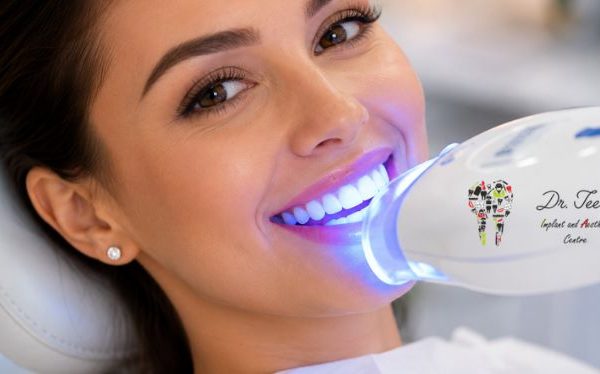
Laser Teeth Whitening
Lasers activate whitening agents to speed up the whitening process and enhance results.
Laser Root Canal Disinfection
Lasers help disinfect root canals more thoroughly, improving long-term treatment success.
Laser Frenectomy
Used to correct tongue-tie or lip-tie in children and adults with minimal recovery time.
Benefits of Laser Dentistry for Patients
-
Less pain and discomfort
-
Reduced bleeding and swelling
-
Faster healing and recovery
-
Lower risk of infection
-
Minimal or no anesthesia
-
Highly precise treatment
Are There Any Risks or Limitations?
While laser dentistry is safe, it may not be suitable for all conditions. Some deep cavities, existing metal fillings, or complex dental issues may still require traditional methods. Success also depends on the dentist’s training and experience.
Laser Dentistry vs Traditional Dental Treatments
|
Feature |
Laser Dentistry |
Traditional Dentistry |
|
Pain |
Minimal |
Moderate |
|
Bleeding |
Very low | Higher |
|
Healing Time |
Faster |
Slower |
|
Anesthesia |
Often not needed |
Commonly required |
| Precision | High |
Moderate |
Who Is a Good Candidate for Laser Dentistry?
- Patients with dental anxiety
- Children and elderly patients
- People with gum disease
- Patients seeking minimally invasive treatments
Is Laser Dentistry Safe?
Yes. Dental lasers are FDA-approved and safe when used by trained professionals. Protective eyewear is provided during treatment, and strict safety protocols are followed.
Cost of Laser Dentistry
Laser treatments may cost slightly more due to advanced technology, but the reduced need for follow-up visits, faster healing, and improved comfort often make it cost-effective in the long run.
What to Expect During a Laser Dental Procedure
- Initial consultation and diagnosis
- Laser treatment tailored to your condition
- Minimal discomfort during the procedure
- Quick recovery with simple aftercare
Post-Treatment Care Tips
- Maintain good oral hygiene
- Avoid hard or spicy foods for a short period
- Follow dentist-recommended aftercare instructions
- Attend follow-up appointments if advised
Future of Laser Dentistry
With continuous technological advancements, laser dentistry is expected to become even more precise, affordable, and widely available, playing a major role in cosmetic and preventive dentistry.
Why Choose Dr Teeth for Laser Dentistry?
Choosing the right dental clinic is just as important as choosing the right treatment. At Dr Teeth, laser dentistry is performed using advanced, FDA-approved laser technology combined with expert clinical care. The team is trained in modern laser procedures, ensuring treatments are precise, safe, and minimally invasive. With a strong focus on patient comfort, hygiene, and personalized treatment planning, Dr Teeth delivers effective laser dental solutions that promote faster healing, reduced discomfort, and long-lasting results—all in a calm and patient-friendly environment.
Conclusion
Laser dentistry has transformed the way dental treatments are performed, offering a safer, faster, and more comfortable experience for patients. With minimal pain, quick recovery, and high precision, it is an excellent option for those seeking modern dental care. Always consult a qualified dentist to determine if laser treatment is right for you.