

Losing a tooth affects more than just your smile. It changes how you chew, how you speak, and over time, even how your face looks. A lot of people delay treatment because they expect it to be difficult or expensive, but that has changed. Dental implants in India have become a cost-effective, realistic choice for many patients. Clinics now offer advanced technology at costs far lower than what you’d find abroad. Implants don’t just fill a gap. They restore the full function of a tooth, support the jawbone, and look natural. This guide covers who actually needs them, how they work, and what the process looks like.
How Do Dental Implants Work?
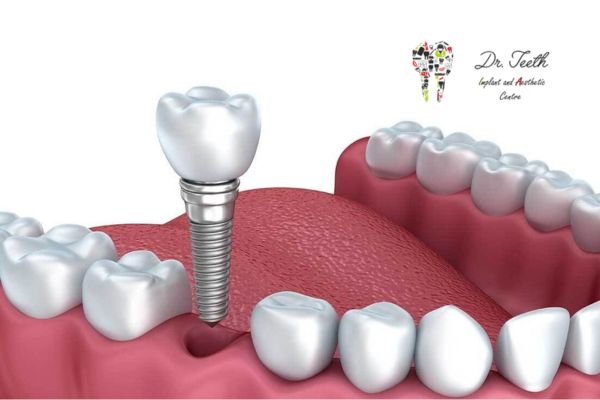
A dental implant is an artificial tooth root, usually made from titanium or zirconia, placed directly into the jawbone. It acts as a stable base for a replacement tooth. The full structure has three parts: the implant post (the part inserted into the bone), the abutment (a connector piece), and the crown (the visible tooth on top). Once the post bonds with the bone, which takes a few months, the final crown is fixed on top. The result functions like a natural tooth. You can bite, chew, and clean it the same way.
There are a few types of dental implants used depending on the patient’s condition. Endosteal implants are the most common and go directly into the jawbone. Subperiosteally implants are placed on top of the bone, under the gum, and are used when there isn’t enough bone depth for a standard implant. Zygomatic implants are an advanced option for patients with major upper‑jaw bone loss because they are fixed into the cheekbone instead of the jawbone.
Why Dental Implants Are a Preferred Solution
Implants are considered a long-term solution because they’re designed to last for decades with proper care. They don’t rely on adjacent teeth for support the way bridges do, and they won’t slip the way dentures sometimes can. One practical benefit that’s often overlooked: implants stimulate the jawbone, which prevents the bone loss that typically follows tooth extraction. Without something in that socket, the bone gradually shrinks, and that changes the shape of the face over time. Implants prevent that. Chewing efficiency is also noticeably better compared to dentures, and speech is clearer. The upfront investment is higher than other options, but there are far fewer replacements or adjustments needed over the years.
Who Needs Dental Implants? Common Cases
1. Individuals with Missing Teeth
A single missing tooth, or several, can be replaced individually with implants without touching or filing down the teeth on either side. Each implant is self-contained.
2. People with Severely Damaged or Decayed Teeth
Sometimes a tooth is too far gone for a crown or filling to help. In those cases, extraction is the appropriate step, and an implant can be planned as part of the same treatment.
3. Denture Wearers Seeking Stability
Loose-fitting dentures are a common complaint, especially in the lower jaw. Since implant-supported dentures are securely attached, they remove the looseness and soreness that many people experience with conventional dentures.
4. Patients with Bone Loss in the Jaw
Jawbone loss after a missing tooth is common, but it doesn’t always exclude you from implants. The area can often be rebuilt with a bone graft, and the implant placed after healing.
5. Individuals with Congenital Tooth Absence
Some people naturally lack one or more teeth. Once the jaw is fully developed, usually in adulthood, implants can provide a long-lasting replacement solution.
6. Accident or Injury Cases
Trauma can knock out or fracture teeth beyond repair. Depending on the condition of the socket and surrounding bone, implant placement may be done immediately or after a short healing period.
Dental Implants Procedure: Step-by-Step Overview
The dental implants procedure is carried out in stages over several months. It starts with a consultation that includes X-rays and, in most cases, a 3D scan to assess bone volume and plan the placement. If the affected tooth is still present, it’s extracted first. If bone is inadequate, a graft is done first, requiring extra healing, then the implant post is placed into the jawbone under local anesthesia. The bone then grows around the implant over a period of roughly three to six months, a process called osseointegration. After that, the abutment is attached, and the custom crown is fitted on top. Follow-up appointments are scheduled to check healing and make any minor adjustments.
Types of Dental Implants and Their Uses
- Endosteal Implants: Placed directly into the jawbone; the standard choice for most patients with adequate bone structure.
- Subperiosteally Implants: Positioned on the bone rather than inside it; used when bone volume is too low for endosteal placement and grafting isn’t an option.
- Zygomatic Implants: Anchored in the cheekbone; reserved for patients with significant upper jaw bone loss where conventional implants aren’t viable.
Your dentist will choose the right implant type after closely checking your scans and overall dental condition.
Benefits of Getting Dental Implants in India
In India, dental implants typically cost 50–70% less than in the UK, US, or Australia, yet still use advanced technology, well-trained dentists, and globally standard materials like titanium implants and zirconia crowns, with consistently strong success rates. India has also seen steady growth in dental tourism, with patients travelling specifically for implant procedures because of the combination of quality and affordability.
Who Is Not an Ideal Candidate for Dental Implants?
Patients with uncontrolled diabetes have slower healing and a higher risk of infection, which affects the implant’s ability to integrate with the bone. Heavy smokers experience delayed healing, making implant failure more likely. Inadequate oral hygiene is another issue, as implants demand regular care and neglect causes problems. Some health conditions, especially those involving blood thinners or immunosuppressants, and limited bone volume may restrict suitability, which a detailed consultation will determine.
Risks and Considerations
Although dental implant surgery involves standard surgical risks, major issues like infection or nerve injury are rare with a skilled dentist. Treatment is lengthy, often lasting six to twelve months or longer, especially when bone grafting is necessary. That’s worth factoring in when planning. Cost is another consideration. It’s a higher upfront investment than fillings, bridges, or dentures, but the long-term durability usually makes it a more cost-effective choice over a ten- to twenty-year period.
Aftercare and Maintenance Tips
Implants need the same basic care as natural teeth. Brush twice daily, floss carefully around the implant, and attend routine dental check-ups every six months. In the weeks following surgery, it’s sensible to avoid hard or crunchy foods that could put pressure on the site while it heals. Sticky foods are best avoided in the early stages too. Consistent oral care is crucial for long-term implant success; neglecting gum health can cause peri-implantitis and gradually weaken implant stability.
Conclusion
Dr. Teeth works with patients across Mumbai and beyond to assess, plan, and carry out implant treatments suited to each individual case. Dental implants are relevant for a broad range of situations, from a single missing tooth to full-arch replacement, and the outcomes, in terms of function, appearance, and long-term oral health, are consistently strong. The key is proper diagnosis before anything else. Developing a treatment plan that considers bone quality, overall medical condition, and realistic goals delivers much better outcomes than making a quick decision. For anyone exploring dental implants in India, the blend of skilled specialists, advanced technology, and relatively affordable costs makes the country one of the more attractive destinations worldwide for undergoing this procedure. If you’ve been putting off a consultation, that’s usually the best first step.