
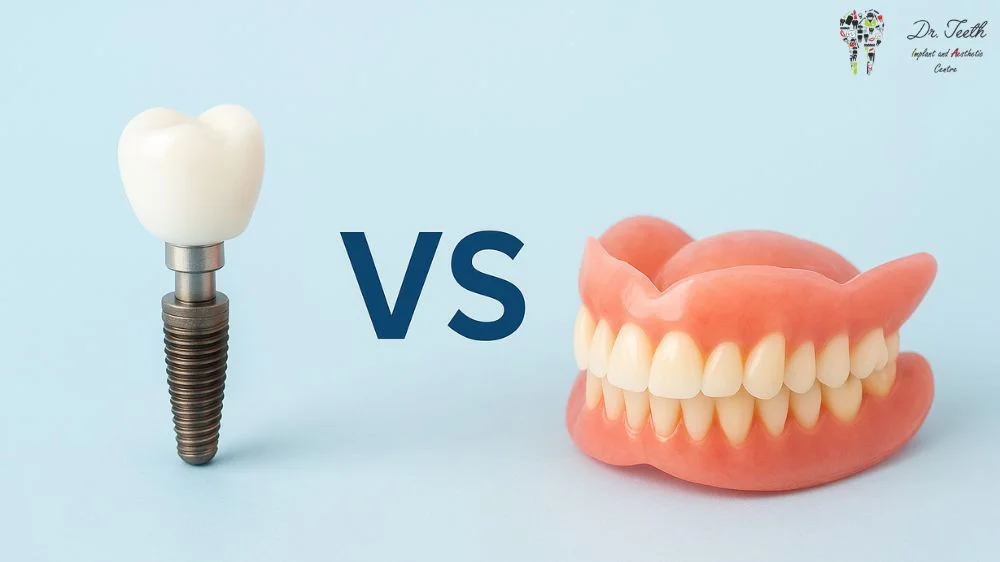
The impact of missing teeth goes far beyond appearance. It alters your speech patterns, chewing habits, and even your level of confidence. Dental implants and dentures are the two primary tooth replacement options available in dentistry today. Choosing the best dental treatment depends on comfort, cost and lifestyle needs.

What Are Dental Implants?
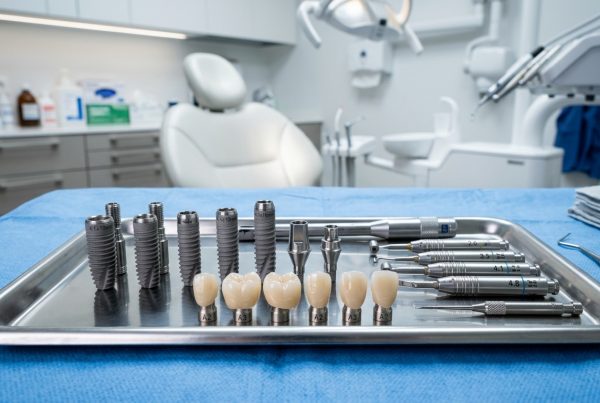
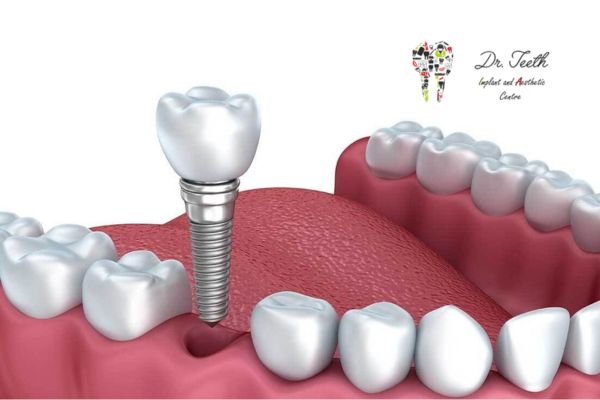
A titanium dental implant is inserted into the jawbone. It serves as an alternative for a natural tooth root. The full structure includes the implant screw, an abutment, and a crown. Dental implant surgery begins with a consultation, x-rays, and a treatment plan. The implant is placed under local anesthesia. Osteointegration is the process by which the implant and bone fuse over a period of three to six months. For a finished appearance, a crown or bridge is affixed once the wound has healed.
Benefits of Dental Implants
Natural function and appearance are two advantages of dental implants. It restores up to 90% of chewing power, maintain jawbone density and stop facial sagging. Dental implants have a 20–25 year lifespan or more if properly maintained. Implants also improve confidence by looking and feeling like real teeth. Drawbacks include higher cost, longer healing, and the need for surgery. Still, they remain the most reliable permanent tooth replacement option.
What Are Dentures?
Detachable artificial teeth that are fixed to the gums are called dentures. Complete dentures for entire arches partial dentures for some missing teeth and immediate dentures used right after extractions are among their various varieties. It is made up of flexible resins, porcelain or acrylic. Removable dentures are a quick and affordable tooth replacement option.
Benefits and Limitations of Dentures
Detachable artificial teeth that are fixed to the gums are called dentures. Complete dentures for entire arches, partial dentures for some missing teeth and immediate dentures used right after extraction is among their various varieties. They are made up of flexible resins, porcelain, or acrylic.
Dental Implants vs Dentures: Detailed Comparison
Durability
The lifespan of dental implants is supposed to be decades. Many patients can enjoy them for 20 years or even their entire lives if they receive the right care. Conversely, dentures typically last five to ten years. Gum and jawbone shape changes over time, necessitating replacement, or new fittings.
Comfort
Dental implants are fixed in the jaw, so they feel and function like natural teeth. There is no slipping or movement while speaking or eating. Dentures may feel bulky, especially when first worn. Some people also experience gum irritation if they do not fit properly.
Chewing Power
Implants restore 80–90% of natural chewing strength. As a result patients can eat harder foods like steak, apples, and nuts without fear. Only 30 to 40% of bite force is restored by dentures which restricts the variety of foods one can eat. Food that is sticky or crunchy can be challenging to handle with dentures.
Bone Health
Titanium dental implants stimulate the jawbone and prevent bone shrinkage. This maintains the natural and strong facial structure. Dentures do not stimulate the bone; instead, they rest on top of the gums. This causes facial sagging and bone loss over time.
Aesthetics
Implants give a realistic appearance by blending in perfectly with natural teeth. They are made to order to blend in with the surrounding teeth’s colour and shape. Dentures also look good, but as the jawbone and gums change over time, they may not look as natural.
Maintenance
Dental implants are easy to maintain. Patients brush and floss them like real teeth, and regular dental visits keep them in top shape. Dentures require more care. They must be removed, brushed, soaked overnight, and cleaned with special solutions. Without proper care, they can develop odors or stains.
Cost
The cost of dental implants is higher at the start. But since they last decades, they are a cost-effective solution in the long run. Dentures cost less upfront but need replacements, relining, and adhesives over time, which increases the total expense.
Procedure Time
Dental implants require a longer process. From surgery to final crown placement, it can take 3–6 months due to healing and osseointegration. Dentures are quicker to fit and can be ready within weeks, making them a faster missing teeth solution.
Confidence
Implants stay fixed and do not move. This stability helps patients speak, laugh, and eat without fear of slipping. Dentures may shift during meals or conversations. This can cause embarrassment or self-consciousness for some people.
Lifestyle Considerations Before Choosing
People who enjoy crunchy or chewy foods benefit from implants. Dentures may limit diet to softer options. Implants do not affect speech, while dentures may cause clicking or lisp. Dental implant comfort makes them ideal for active lifestyles. Dentures require daily care and adhesives. Health also matters. Dentures function even in cases of bone loss but implants require strong gums and bone. Implants are frequently the best option for replacing missing teeth in people with active lifestyles.
Cost Comparison: Immediate vs Long-Term
The cost of dental implants is higher per tooth. But as a dental treatment investment, they last decades. Over time, they may be cheaper than repeated denture replacements. Dentures cost less at first but need relining, adhesives, and replacements, which add up. Insurance often covers dentures, while implants may get only partial coverage. Patients should balance long-term savings with immediate budget needs.
Who Should Choose Implants? Who Should Choose Dentures?
The best dental implant candidate is an adult with strong jawbone and healthy gums. Implants suit younger and middle-aged people who want permanent tooth replacement and lead active lives. Who should get dentures? They are better for elderly patients, those with weak bone density, or those who cannot undergo surgery. Dentures are also the best missing teeth solutions for anyone seeking quick, affordable dental care.
Hybrid Option: Implant-Supported Dentures (Overdentures)
Implant-supported dentures, or overdentures, combine both methods. These stable dentures solutions are attached to 2–4 implants. They prevent slipping, protect the jawbone, and cost less than full-mouth implants. However, they remain removable and are more expensive than traditional dentures.
Aftercare & Maintenance
Dental implant care includes brushing, flossing, and avoiding smoking. Regular dentist visits are key to maintaining dental health. Dentures cleaning requires daily removal, brushing, soaking overnight, and occasional relining. For both options, oral hygiene tips like starting with soft foods and practicing speech help adaptation.
How to Achieve a Confident Smile
Both dental implants and dentures restore your smile, improve speech, and bring back function. The choice depends on health, age, cost, and lifestyle. To achieve confident smile solutions, consider your needs and seek professional advice. With the right choice, you can restore your smile with the best dental treatment for missing teeth.