Dental crowns are one of the most common and essential solutions in modern dentistry. Whether you’re restoring a damaged tooth, covering an implant, or enhancing your smile, choosing the right type of dental crown is crucial. In this comprehensive guide, we’ll explore the various types of dental crowns, their materials, benefits, procedures, and long-term care—helping you make the most informed decision for your dental health.

What is a Dental Crown?
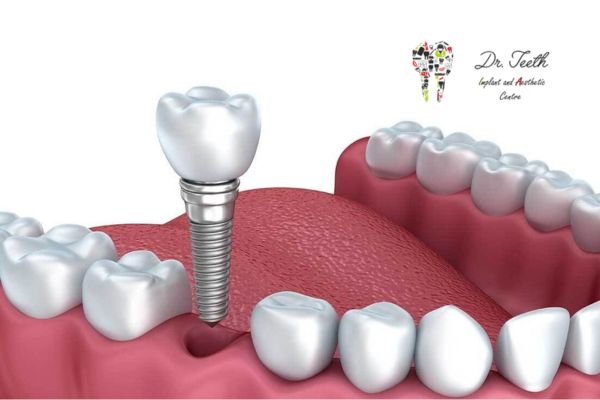
A dental crown is a cap that is custom-designed to fit over a damaged, decayed, or unattractive tooth. It restores the tooth’s original shape, size, strength, and appearance, protecting the remaining structure while allowing the tooth to function normally. Dental crowns are cemented permanently into place and completely encase the visible part of the tooth above the gum line.
Crowns are often required when a tooth is too weak for a simple filling or when the structural integrity of a tooth is compromised due to trauma, large cavities, or after a root canal. They are also a vital component in restorative procedures like dental bridges or implants, acting as the visible, functional part of the artificial tooth.
Crowns can be made from a wide variety of materials, and the right one is chosen based on the location of the tooth, budget, durability needs, aesthetic expectations, and patient-specific concerns such as allergies or bite patterns.
Key functions of a dental crown include:
- Protecting a fragile tooth from breaking or cracking further
- Restoring a broken, worn, or decayed tooth
- Covering a tooth with a large filling
- Enhancing the appearance of discolored or misshapen teeth
- Completing a dental implant by acting as the visible cap
- Supporting a dental bridge by anchoring it on either side
In essence, dental crowns serve both cosmetic and functional purposes, helping individuals maintain oral health while improving their smile.
Why Dental Crowns Are Needed
Dental crowns serve multiple purposes:
- Protecting weak or cracked teeth from breaking
- Restoring broken or worn-down teeth
- Covering and supporting teeth with large fillings
- Holding a dental bridge in place
- Covering severely discolored or misshapen teeth
- Protecting a tooth after root canal treatment
- Covering a dental implant
Each case may require a different crown type depending on the function, location in the mouth, and aesthetic needs.
Common Types of Dental Crowns by Material
When it comes to selecting a dental crown, material matters. The choice affects strength, appearance, longevity, and cost. Each material type is suitable for specific oral conditions and personal preferences.
Here’s a detailed look at the most commonly used dental crown materials:
1. Porcelain (All-Ceramic) Crowns
Porcelain crowns, often called all-ceramic crowns, are made entirely from ceramic materials that closely mimic the natural color and translucency of teeth. They are an ideal choice for front teeth where appearance is a top priority.
Benefits:
- Natural-looking finish with excellent shade matching
- No metal, so no dark lines at the gum
- Suitable for people with metal sensitivities or allergies
- Biocompatible and gentle on the gums
Considerations:
- Less durable than metal or zirconia crowns
- Can chip under heavy pressure or bruxism
- Best used in areas with lower biting force (e.g., incisors or canines)
2. Porcelain-Fused-to-Metal (PFM) Crowns
PFM crowns consist of a metal substructure covered by a porcelain outer shell. This combination offers strength and a natural look, making it a hybrid solution.
Benefits:
- Strong and long-lasting
- Better suited for back teeth due to increased durability
- Offers aesthetic appeal compared to metal-only crowns
- A time-tested solution widely used in restorative dentistry
Considerations:
- Porcelain may chip or wear off over time
- The metal base can show as a dark line near the gum if gum recession occurs
- Not as lifelike as full ceramic or E.max crowns
3. Zirconia Crowns
Zirconia is a modern ceramic material known for its exceptional strength and biocompatibility. These crowns combine durability with aesthetics.
Types of Zirconia Crowns:
- Monolithic zirconia — strong, more opaque, used for molars
- Layered zirconia — porcelain layered over zirconia for enhanced aesthetics, used for visible teeth
Benefits:
- High fracture resistance
- Ideal for patients with teeth grinding (bruxism)
- Very durable and long-lasting
- Tooth-colored and can be shade-matched for aesthetics
Considerations:
- Can feel harder against opposing teeth
- Monolithic zirconia may appear less translucent than natural enamel
4. E.max Crowns (Lithium Disilicate)
E.max crowns are made from lithium disilicate ceramic, prized for strength and highly natural appearance. Often chosen for front teeth and premolars.
Benefits:
- Excellent for cosmetic dental work and smile makeovers
- Stronger than regular ceramic but still lightweight
- Can be bonded or cemented with minimal tooth removal
- Ideal for patients seeking long-lasting, natural-looking results
Considerations:
- Not as strong as zirconia for back molars
- Can be more expensive due to lab fabrication and aesthetic value
5. Metal Crowns (Gold or Other Alloys)
Metal crowns made from alloys like gold, palladium, nickel, or chromium are highly durable. They are less popular for front teeth but remain a top choice for molars.
Benefits:
- Extremely durable and fracture-resistant
- Require the least amount of tooth removal
- Gentle on opposing teeth
- Long-lasting — often 20+ years with proper care
Considerations:
- Metallic appearance is not aesthetically pleasing
- May trigger metal sensitivities in rare cases
- Not suitable for front teeth or smile-conscious patients
6. Resin (Acrylic) Crowns – Temporary
Resin crowns, typically composite, are used as temporary crowns while the permanent crown is being fabricated.
Benefits:
- Quick to fabricate and cost-effective
- Can be customized to match adjacent teeth
- Ideal for patients undergoing multi-step restorative treatments
Considerations:
- Not suitable for long-term use
- Prone to cracking, staining, and wear
- Usually used for a few weeks or months until permanent crown placement
Crown Selection Guide Based on Needs
| Crown Type | Best For | Aesthetic Appeal | Durability |
| Porcelain | Front teeth, cosmetic needs | High | Moderate |
| PFM | Front/back teeth, balanced option | Moderate | High |
| Zirconia | Molars, bruxism, long-term wear | Good | Very High |
| E.max | Smile zone, minimal prep | Very High | High |
| Metal (Gold/Alloy) | Back teeth, strong bite force | Low | Very High |
| Resin (Temporary) | Interim coverage | Moderate | Low |
Advanced Options: Same-Day Dental Crowns
Thanks to CAD/CAM technology, same-day crowns are now possible. Dentists digitally scan your tooth, design the crown, and mill it right in the office.
Benefits:
- No temporary crowns needed
- Faster results, usually in one visit
- Highly accurate fit
- Reduced downtime and fewer dental visits
These crowns are often ceramic or zirconia for strength and aesthetics.
The Dental Crown Procedure
- Initial Examination & Consultation: The Dentist evaluates the tooth with X-rays.
- Tooth Preparation: The tooth is shaped to fit the crown.
- Impression or Digital Scan: Precise models are made.
- Temporary Crown: Placed while the permanent crown is fabricated.
- Crown Fabrication: Done in the lab or chairside (same-day).
- Crown Placement: The Final crown is fitted, adjusted, and cemented.
The entire process usually takes 1–2 visits.
How Long Do Dental Crowns Last?
Crown lifespan depends on the material, oral hygiene, and habits:
- Zirconia: 15–25 years
- Gold/Metal: 20+ years
- E.max: 10–15 years
- PFM: 10–15 years
- Resin: 1–2 years (temporary)
Proper care and regular dental visits can extend crown longevity.
Caring for Your Dental Crown
- Brush twice daily with fluoride toothpaste
- Floss regularly, especially near the crown
- Avoid chewing hard foods (ice, popcorn kernels)
- Use a nightguard if you grind your teeth
- Visit your dentist regularly for check-ups and cleanings
Crowns may fail if underlying decay or gum disease develops, so ongoing care is essential.
Potential Risks and Complications
- Sensitivity after placement
- Crown loosening or falling off
- Gum irritation or inflammation
- Chipping (more common with porcelain or E.max)
- Allergic reactions (rare, mostly with metal crowns)
- Wear on opposing teeth (zirconia crowns)
Report any discomfort to your dentist promptly.
Dental Crown vs Veneer: What’s the Difference?
| Feature | Crown | Veneer |
| Coverage | Entire tooth | Front surface only |
| Strength | Strong, suitable for damaged teeth | Less durable, cosmetic only |
| Prep Required | Moderate to significant | Minimal |
| Best For | Damaged, decayed, or worn teeth | Minor chips, discoloration |
| Cost | Higher on average | Moderate |
Choose a crown for restorative needs and a veneer for cosmetic enhancements on intact teeth.
Crown Costs by Type
The cost of a dental crown depends on material and region. Here’s a rough breakdown:
| Type | Cost (INR) | Cost (USD) |
| Porcelain | ₹10,000–₹15,000 | $800–$1,500 |
| PFM | ₹8,000–₹12,000 | $700–$1,300 |
| Zirconia | ₹15,000–₹25,000 | $1,000–$1,800 |
| E.max | ₹18,000–₹30,000 | $1,200–$2,000 |
| Gold | ₹25,000+ | $1,500–$3,000 |
| Temporary Resin | ₹1,000–₹3,000 | $100–$300 |
Insurance may cover part of the cost, especially when the crown is medically necessary.
Latest Trends in Dental Crowns (2025 Outlook)
- 3D-Printed Crowns: Precise, custom-fabricated crowns
- Hybrid Ceramics: Strong, translucent materials for aesthetics
- AI-Enhanced Scanning: Ultra-accurate digital impressions
- Minimal-Prep Crowns: Faster, less invasive procedures
- Bite-Optimized Crowns: Customized for bruxism or TMJ patients
These innovations make dental restorations faster, more aesthetic, and longer-lasting.
Conclusion: Choosing the Right Dental Crown
Whether you’re addressing decay, damage, or cosmetic concerns, choosing the right dental crown is a critical decision. Consider factors like:
- The location of the tooth
- Your bite force and habits
- Aesthetic expectations
- Budget and longevity
- Dentist’s recommendation
At Dr Teeth, we are dedicated to helping you find the ideal dental crown solution tailored specifically to your needs. Our expert team provides personalized consultations to ensure your smile is restored with the highest quality materials and craftsmanship. Trust us to bring back both your tooth’s function and confidence.